Ancient Greek ceramic containers - Castello Banfi collection
It is a ceramic container originating from ancient Greece, named after the Greek word "lekythos" which means "oil bottle". This type of container was very popular between the 6th and 4th centuries BC, mainly used for storing oil and ointment. Known for its elegant form and decorative art, it reflects the cultural and artistic level of the society at that time. Collected by Castello Banfi, it depicts a naked male figure holding his ancient Greek cloak. It is a product of the 4th century BC, possibly used in religious ceremonies or funerals as a tribute or offering to the deceased.

Lekisos Ancient Greek Ceramic Bottles - Hunter Museum in Limerick
It is a container used in ancient Greece to hold oil and is often used as burial objects in tombs. It has a circular base, a high and wide body, wide shoulders and narrow bottom, a high neck, and a deep opening that extends outward. There is a high and narrow handle on the bottle that extends all the way to the shoulder. The bottle was originally painted with a pattern, but now it is severely worn and difficult to recognize. The production date is approximately the 4th century BC. The Hunter Museum currently exists in Limerick.

Anfu Lagu Greek Ceramic Container - Baltimore
It is a container from ancient Greece, named after the Greek words "Amphi" (meaning "both sides") and "Pero" (meaning "to carry"). This container has two vertical handles on each side, connecting the bottle mouth or neck to the bottle body. It is mainly used for storing and transporting solids and liquids, especially closely related to the transportation of wine and olive oil. In the Attica region around 400 to 375 BC, an Athenian painter created an artwork depicting the struggle between Poseidon and Athena for Attica land. This work is currently stored in Baltimore.

Hidria Ancient Greek Ceramic Container - Paul Getty Museum
Greek for ὑδρία, it is an ancient Greek ceramic container primarily used for storing and transporting water. The characteristic of this ceramic is that it has three handles: two horizontal side handles for lifting the container, and a vertical rear handle for pouring the contents. Around 550 BC, a hidria was produced in the Attica region, depicting scenes of Dionysus, Ariadne, and Poseidon. This artwork is currently housed in the Paul Getty Museum. This ancient Greek ceramic work not only showcases the craftsmanship of the time, but also reflects Greek mythology and religious beliefs.

Ancient Greek Cantalos ceramic wine vessel
It is a common ceramic wine vessel in ancient Greece, with a unique design that features double ear handles and a wide mouth, making it easy to pour and drink. The design aims to facilitate drinking, while its artistic and decorative qualities also reflect the aesthetic pursuit of ancient Greek culture. Often used in banquets and religious ceremonies, it was an indispensable part of ancient Greek social life. The decorative patterns are rich and diverse, including mythological stories, battle scenes, and daily life scenes. These patterns not only beautify wine vessels, but also convey the culture and values of ancient Greece.

Popular Models


Honey Badger (3D animated model)
192 View

Guinea fowl (3D animated model)
163 View

Wild Goose (3D animated model)
185 View

Red Fox (3D animated model)
153 View
Random Model
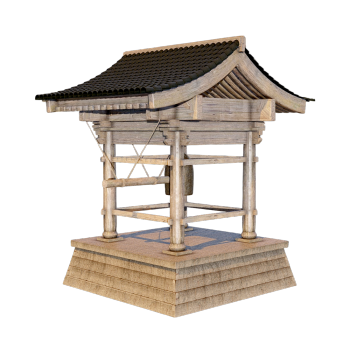
The bell tower of a Japanese temple
650 View

Skeleton of the Dinosaur
385 View

DJI Avata2 UAV
538 View


Chinese style stone pavilions
830 View

Multi-function sofa bed
500 View
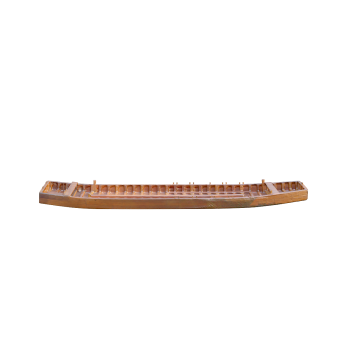
Vessel "galar" in Veswa, Poland
731 View